
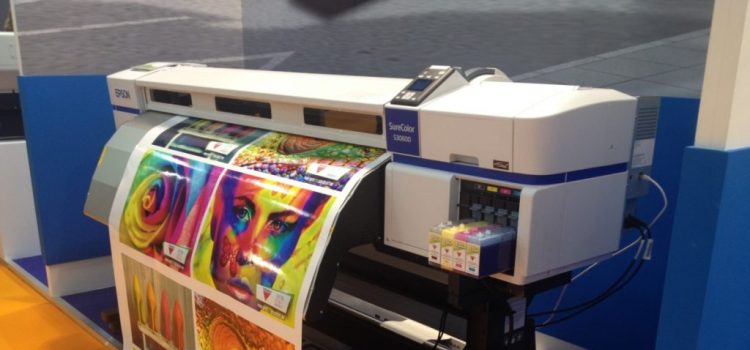
In the digital age, where online marketing and social media dominate, one might think that printing has taken a backseat in promoting business branding. However, the truth is that print materials continue to play a vital role in establishing a strong brand presence. From business cards and brochures to banners and packaging, printing offers tangible and impactful ways to reinforce a brand’s identity and leave a lasting impression on customers. Understanding the types of tech used when printing large format is essential for businesses to stay ahead in the competitive market and deliver superior quality visuals to their clients. In this article, we will explore the significant role of printing in promoting business branding and why it remains a valuable marketing strategy.
1. Creating a Memorable First Impression
The Power of Business Cards
Business cards serve as a tangible representation of a brand and its professionalism. Well-designed and high-quality business cards make a strong first impression on potential clients and partners. The physical exchange of business cards during meetings or events adds a personal touch that digital communication cannot replicate.
Brochures and Marketing Collaterals
Printed brochures, flyers, and other marketing collaterals offer an opportunity to showcase a brand’s products and services in a visually appealing and comprehensive manner. These materials allow businesses to convey their brand story, values, and unique selling points effectively.

2. Brand Consistency and Recognition
Uniformity Across Print Materials
Maintaining consistent branding across all print materials is crucial for brand recognition. From the logo and color scheme to typography and imagery, ensuring uniformity helps customers associate specific visuals with the brand instantly.
Packaging as a Brand Touchpoint
Printed packaging serves as a direct brand touchpoint with customers. Well-designed product packaging not only protects the contents but also communicates the brand’s identity and values. Customers often form emotional connections with brands through their packaging.
3. Engaging Customers in Physical Spaces
Banners and Signage
Printed banners and signage play a significant role in attracting attention and directing customers to a business’s physical location. Eye-catching banners and signs with the brand’s logo and message create brand visibility and reinforce the business’s presence in the local community.
Point-of-Purchase Materials
In retail settings, point-of-purchase materials, such as posters and displays, can influence buying decisions. Engaging and persuasive print materials near checkout areas can drive impulse purchases and enhance brand loyalty.
4. Building Trust and Credibility
Professional Print Quality
High-quality print materials demonstrate attention to detail and professionalism. Customers are more likely to trust a brand that invests in well-crafted print materials, as it reflects the brand’s commitment to excellence.
Print vs. Digital Perceptions
Printed materials are often perceived as more credible than digital content. While digital communication is prevalent, print materials can offer a sense of permanence and authenticity that digital channels may lack.
5. Targeted Marketing and Personalization
Direct Mail Campaigns
Direct mail remains an effective marketing strategy, especially when combined with digital efforts. Personalized direct mail pieces, such as postcards or catalogs, can resonate with recipients and create a personalized brand experience.
Variable Data Printing (VDP)
Variable data printing allows businesses to customize printed materials for individual customers based on their preferences and behavior. This level of personalization enhances the customer experience and strengthens brand engagement.
Conclusion
In the digital age, printing continues to be a crucial tool in promoting business branding. Print materials offer a tangible and memorable way to create a strong brand presence and leave a lasting impression on customers. From business cards and brochures to packaging and banners, print plays a significant role in reinforcing brand identity, building trust, and engaging customers in physical spaces. By integrating print materials with digital marketing efforts, businesses can create cohesive and impactful brand experiences that resonate with their target audience.
As technology evolves, printing will continue to adapt, ensuring that it remains an essential element of a comprehensive branding and marketing strategy in the modern business landscape.