
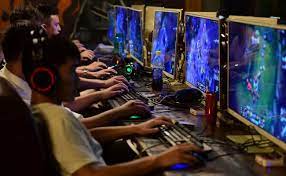
The online gaming industry has grown into a multi-billion dollar global phenomenon, offering diverse career opportunities for individuals with a passion for gaming. What was once considered a niche hobby has now transformed into a thriving industry with professional gamers, game developers, esports managers, and more. The singapore live casino online provides an interactive gaming environment, enabling players to engage with professional dealers and interact with fellow players through live chat features. In this article, we explore the path to a career in the online gaming industry, highlighting the various roles, skills required, and the steps individuals can take to pursue their dream careers.
1. Roles in the Online Gaming Industry
a) Professional Gamers
Professional gamers are at the forefront of the online gaming industry, competing in esports tournaments and leagues. These highly skilled players dedicate countless hours to honing their gaming abilities, mastering strategies, and competing at the highest level. To become a professional gamer, individuals must possess exceptional gaming skills, strong teamwork capabilities, and a competitive mindset. Building a personal brand, participating in tournaments, and gaining recognition within the gaming community are essential steps to entering the professional gaming scene.

b) Game Developers
Game developers play a vital role in shaping the online gaming landscape. They are responsible for creating, designing, and programming games. Game development requires a combination of technical skills, creativity, and a deep understanding of game mechanics. Pursuing a career as a game developer often involves acquiring relevant qualifications in computer science, programming, or game design. Building a portfolio of projects, gaining practical experience through internships or game jams, and staying updated on industry trends are crucial for aspiring game developers.
c) Esports Managers
Esports managers oversee the operations, logistics, and strategic aspects of professional esports teams. They handle team recruitment, contract negotiations, event planning, sponsorships, and player development. To become an esports manager, individuals should possess strong organizational and communication skills, business acumen, and a deep understanding of the esports industry. Gaining experience in event management, networking within the esports community, and demonstrating leadership abilities are essential steps towards a career in esports management.
d) Game Testers and Quality Assurance
Game testers play a critical role in ensuring the quality and functionality of online games. They identify bugs, glitches, and gameplay issues, providing valuable feedback to developers. Game testing requires attention to detail, patience, and the ability to follow specific testing procedures. Aspiring game testers can gain experience by participating in beta testing programs, joining gaming communities, and developing a thorough understanding of game design principles.
e) Content Creators and Streamers
Content creators and streamers produce engaging video content and live streams related to online gaming. They entertain and engage with audiences by showcasing gameplay, providing commentary, and creating informative or entertaining content. To pursue a career as a content creator or streamer, individuals need strong communication skills, video editing abilities, and a charismatic on-screen presence. Building an online presence, cultivating a dedicated following, and collaborating with other content creators can help aspiring individuals establish their careers in this field.
2. Skills and Qualifications
a) Gaming Skills and Knowledge
A strong foundation in gaming skills and knowledge is essential for pursuing a career in the online gaming industry. This includes proficiency in various gaming genres, familiarity with popular game titles, and an understanding of gaming mechanics and strategies. Actively participating in online gaming communities, competing in tournaments, and continuously improving gaming skills are valuable steps towards a successful career.
b) Technical and Programming Skills
Depending on the chosen career path, individuals may benefit from acquiring technical and programming skills. Game developers, for example, should have expertise in programming languages such as C++, Java, or Python, as well as experience with game development engines and tools. Familiarity with software development processes, problem-solving abilities, and creativity are also essential in this field.
c) Communication and Collaboration
Strong communication and collaboration skills are crucial for success in the online gaming industry. Professionals in this field often work in teams, requiring effective communication, active listening, and the ability to collaborate with others. Developing interpersonal skills, conflict resolution abilities, and a positive attitude are valuable assets that can contribute to a thriving career in the industry.
d) Business and Marketing Acumen
Individuals interested in roles such as esports management or content creation can benefit from business and marketing knowledge. Understanding industry trends, building personal brands, networking, and leveraging social media platforms are essential for success in these areas. Developing skills in marketing, branding, negotiation, and project management can significantly enhance career prospects in the online gaming industry.
3. Steps to Pursue a Career in the Online Gaming Industry
a) Identify and Refine Your Interests
Explore the different career paths within the online gaming industry and identify the roles that align with your skills and interests. Determine whether you aspire to be a professional gamer, game developer, esports manager, content creator, or any other role that captures your passion.
b) Acquire Relevant Skills and Knowledge
Based on your chosen career path, acquire the necessary skills and knowledge through formal education, online courses, self-study, or practical experience. Develop a strong foundation in gaming skills, technical proficiency, communication abilities, and business acumen to thrive in the industry.
c) Gain Practical Experience
Practical experience is invaluable in the online gaming industry. Participate in gaming competitions, collaborate on game development projects, join gaming communities, or create your own content to showcase your skills and build a portfolio. Internships, volunteering, and freelancing opportunities can also provide hands-on experience and valuable industry connections.
d) Network within the Industry
Networking is crucial for career advancement in the online gaming industry. Attend industry events, join online forums and communities, and engage with professionals in your desired field. Building connections can lead to mentorship opportunities, job referrals, and collaborations that can help propel your career forward.
e) Stay Informed and Adapt
The online gaming industry is constantly evolving, so it’s essential to stay informed about industry trends, new technologies, and emerging game genres. Adaptability and a willingness to learn are crucial to remain competitive in the industry. Continuously update your skills, explore new opportunities, and embrace the changes within the dynamic online gaming landscape.
Conclusion
The online gaming industry offers a wide range of exciting and fulfilling career opportunities for individuals passionate about gaming. Whether as a professional gamer, game developer, esports manager, content creator, or game tester, pursuing a career in this industry requires a combination of skills, knowledge, practical experience, and a strong dedication to the craft. By identifying their interests, acquiring relevant skills, and building a network within the industry, aspiring professionals can embark on a rewarding journey from pixels to professionals in the vibrant world of online gaming.