
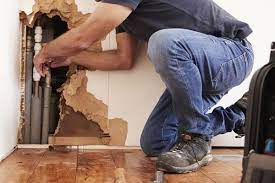
Water, a vital element for life, can also be a destructive force when it invades our homes uninvited. Water damage is a common and costly problem that can have a lasting impact on your property and your wallet. From structural issues to health hazards, the consequences of water damage can be significant. top-notch water damage repair services are tailored to swiftly and effectively restore your property, ensuring a secure and habitable environment for you and your family. In this comprehensive guide, we’ll delve into various aspects of safeguarding your home from water damage and maintaining a secure, dry abode.
Understanding the Types of Water Damage
Water damage can manifest in different forms, each with its own implications and necessary remedies. It’s essential to identify the type of water damage to appropriately address the situation and prevent further harm.
1. Clean Water Damage
Clean water damage is caused by fresh water from sources like pipes, faucets, or rainwater. While this type of water damage initially seems harmless, if left unattended, it can escalate into a more severe problem. Prompt cleanup and drying are crucial to prevent mold growth and structural deterioration.
2. Greywater Damage
Greywater damage involves water from appliances like dishwashers, washing machines, or showers. This water may contain mild contaminants and requires cautious handling. Proper disposal and cleaning are necessary to mitigate risks to health and safety.
3. Blackwater Damage
Blackwater damage is the most severe type, often resulting from sewage backups or natural disasters. This water is highly contaminated with harmful agents, including bacteria and toxins. Addressing blackwater damage demands specialized expertise and thorough disinfection to restore safety and sanitation.
Preparing Your Home for Water Damage
1. Regular Inspections and Maintenance
Routine inspections of your home’s plumbing, roof, and foundation are key to preventing water damage. Look for signs of leaks, cracks, or weak spots and address them promptly. Maintain gutters and downspouts to ensure proper drainage, reducing the risk of water accumulation.
2. Seal Vulnerable Areas
Seal all vulnerable areas prone to water intrusion, such as windows, doors, and basements. Proper sealing helps keep water at bay, safeguarding your home’s structure and interior from potential damage.
3. Invest in Quality Plumbing
High-quality plumbing systems can significantly reduce the risk of leaks and water-related issues. Opt for reputable plumbers and durable materials to ensure your plumbing can withstand the test of time.
Mitigating Water Damage When it Occurs
1. Act Quickly
In the unfortunate event of water damage, swift action is paramount. Begin by stopping the source of water, if possible. Extract excess water and commence the drying process to minimize damage and prevent mold growth.
2. Contact Professionals
For extensive or severe water damage, seeking assistance from professionals is crucial. Restoration experts possess the knowledge, tools, and experience needed to restore your home to a safe and habitable condition.
Conclusion
Water damage is a persistent threat to every homeowner, but with proactive measures and a swift, informed response, you can safeguard your home and loved ones from its adverse effects. Regular maintenance, smart investments, and preparedness for emergencies are your best tools in maintaining a dry and secure living environment.