

Combustion, the controlled burning of fuels, is a fundamental process that drives modern society. From powering industrial machinery to heating our homes, combustion plays a crucial role in various applications. However, the true potential of combustion lies in its efficiency and precision. To achieve optimal performance and environmental responsibility, the power of a combustion analyzer comes into play. The technician used a combustion analyzer to assess the efficiency of the furnace and identify any potential issues with the combustion process.
The Quest for Efficiency
In the quest for efficiency, precision is paramount. The goal is to extract the maximum energy from the fuel while minimizing waste and emissions. Combustion efficiency directly impacts the cost-effectiveness of fuel consumption, making it a critical consideration for industries and individuals alike.
How a Combustion Analyzer Works
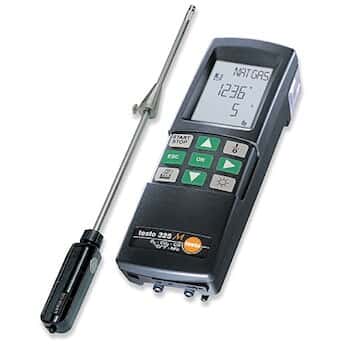
A combustion analyzer is a sophisticated device that measures and analyzes the combustion process in fuel-burning systems. It provides valuable data on various parameters to help engineers, technicians, and operators optimize combustion and achieve precision in performance.
1. Air-Fuel Ratio:
The air-fuel ratio is a key factor in combustion efficiency. It refers to the amount of air required to burn a specific amount of fuel. Too much air results in wasted energy, while too little air leads to incomplete combustion and increased emissions. A combustion analyzer precisely measures the air-fuel ratio, enabling fine adjustments for optimal efficiency.
2. Oxygen Levels:
Oxygen is essential for combustion, but excess oxygen can be detrimental to efficiency. A combustion analyzer monitors the level of oxygen present in the exhaust gases, allowing operators to maintain the right balance for efficient combustion.
3. Stack Temperature:
The stack temperature indicates how well heat is being transferred from the combustion process to the system. High stack temperatures can signify poor heat transfer, indicating potential issues in the system that need attention.
4. Carbon Monoxide Levels:
A combustion analyzer also measures the concentration of carbon monoxide (CO) in the exhaust gases. Elevated CO levels can indicate incomplete combustion or malfunctioning equipment, which can lead to safety hazards.
5. Nitrogen Oxides (NOx) Levels:
NOx is a harmful pollutant produced during combustion, especially at high temperatures. A combustion analyzer helps monitor NOx emissions to ensure compliance with environmental regulations.
The Power of Precision: Advantages of a Combustion Analyzer
The application of a combustion analyzer yields numerous advantages:
1. Optimal Fuel Efficiency:
By providing real-time data on critical parameters, a combustion analyzer empowers operators to adjust the combustion process for maximum fuel efficiency. This results in cost savings and reduced carbon footprints.
2. Emission Reduction:
Precision in combustion leads to lower emissions of harmful pollutants like carbon monoxide and nitrogen oxides. A combustion analyzer assists in maintaining compliance with environmental standards, promoting sustainable practices.
3. Enhanced Safety:
Monitoring carbon monoxide levels with a combustion analyzer helps identify potential safety hazards. Prompt detection of high CO levels allows for timely action, safeguarding occupants and workers from exposure risks.
4. System Diagnostics:
A combustion analyzer serves as a diagnostic tool for identifying issues in fuel-burning systems. By pinpointing inefficiencies or malfunctions, it facilitates targeted maintenance and reduces downtime.
5. Data-Driven Decisions:
The data provided by a combustion analyzer enables data-driven decision-making. Engineers and operators can analyze trends, assess system performance, and implement continuous improvements for long-term success.
Conclusion
In conclusion, the power of a combustion analyzer lies in its ability to unlock the potential of combustion. By delivering precise measurements and valuable insights, this advanced device empowers industries and individuals to achieve efficiency, reduce emissions, enhance safety, and make informed decisions.
Embracing precision in combustion with the aid of a combustion analyzer is a proactive step towards a sustainable future. As technology advances and environmental concerns grow, harnessing the true power of combustion becomes not only a necessity but also a responsibility for a better and greener world.